Workforce Planning Model

In September of 2013, AONE (American Organization of Nurse Executives) in conjunction with AHA (American Hospital Association), and ASHHRA (American Society for Healthcare Human Resources Administration), published a white paper entitled ” Developing an Effective Healthcare Workforce Planning Model (AONE, 2013).  This model provides healthcare leaders with vital thought provoking questions and guidance as it relates to developing a short and long term strategy in planning for current and future workforce needs.  Considering the ever-increasing constraints on supply and increasing demand, using a model to proactively position your institution at the forefront of a dynamic healthcare workforce market, is essential. Healthcare today is a consumer based industry, driving operational leaders to seek more innovative options to elevate their organizations, to new heights in quality and safe care across the enterprise.

Workforce Planning Model

Spot on staffing is an accomplishment all healthcare organizations strive for.  Comprehensive Workforce Planning is at the very core of this issue. Healthcare leaders need workforce data that provides visibility and actionable intelligence to drive the best possible staffing decisions. Variable nurse staffing demands have always presented challenges for nursing leaders.  Developing and implementing tools that aide in this decision-making process is essential to the overall success of the organization. (Bryce & Christensen, 2011).  As population health strategies and the drive for value based care increase in demand, innovative approaches to on demand staffing must be applied across the healthcare system.  At every level of an organization, a calculated approach to a staffing, including the use of supplemental labor, and, a just in time approach, brings value and efficiency.   Many tools and studies over the years have explored this dilemma.  As modern healthcare moves into the new era of value based care, do those proven tools from the past still hold up and provide nurse leaders with the key to unlock the door of total staffing effectiveness?  Nurse leaders need to have data at their fingertips that can provide guidance and benchmarking when it comes to the best possible staffing decisions and solutions.  Studies show that an integrated approach to staffing across an enterprise is beneficial to overall efficiency and effectiveness (Bryce & Christensen, 2011).

Workforce Planning Model

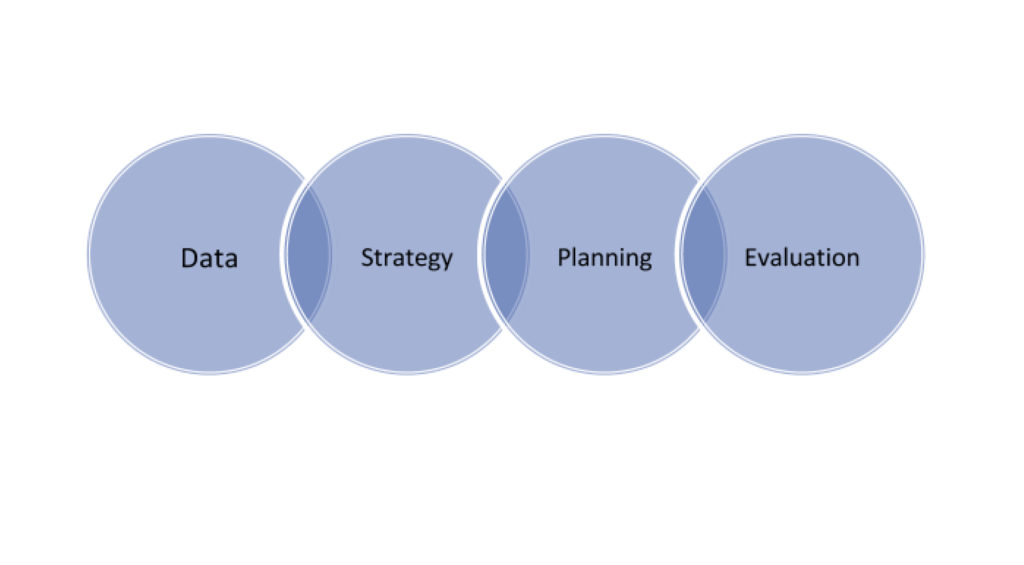
AONE , ASHRA and AHA recommend 4 steps to Workforce planning

  • Data
  • Strategy
  • Planning
  • Evaluation

Workforce Planning Model

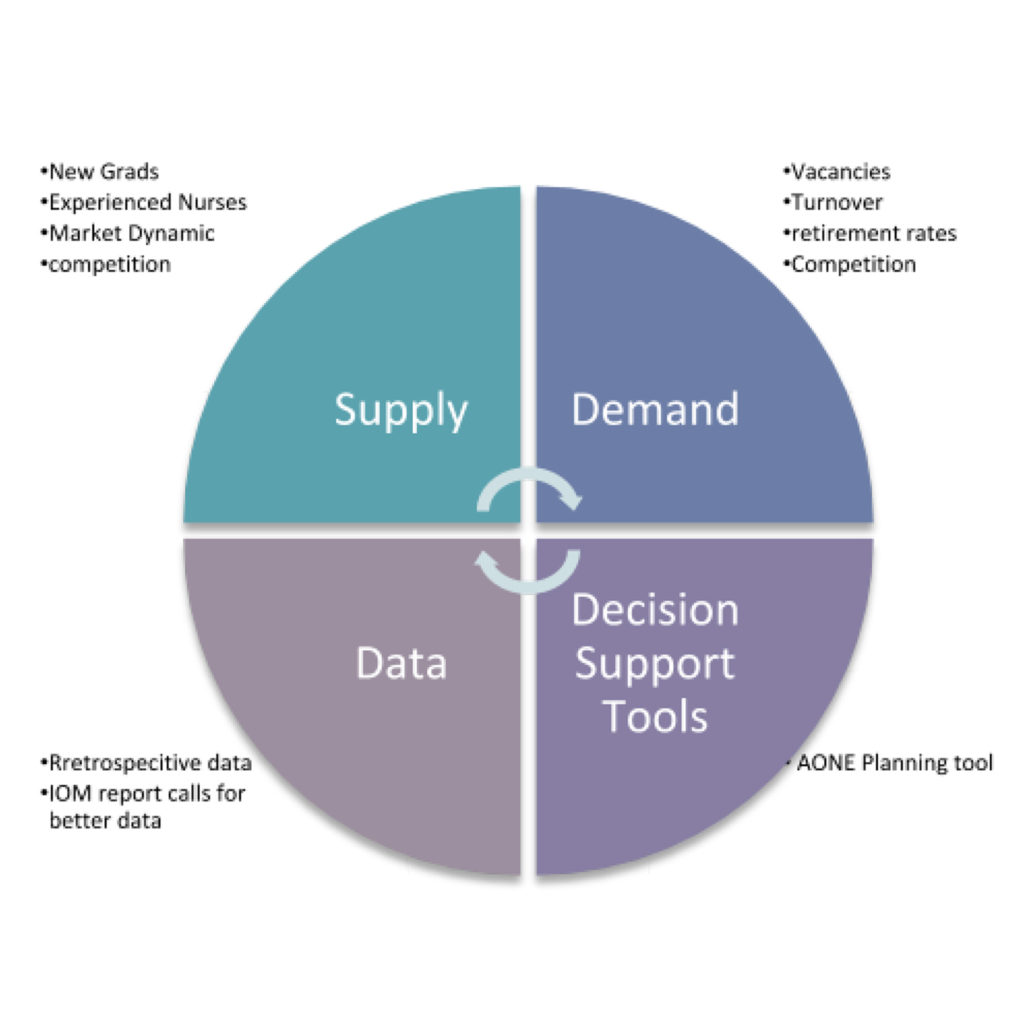
Comprehensive workforce planning has many contributing factors.  Supply and demand are two of those factors, but data and tools that use that data to drive decision making are vital parts as well.

Workforce Planning Model

The Institute of Medicine (IOM), 2010 report on the future of nursing, calls for better healthcare workforce data.  Although data exists, there are gaps (IOM, 2010).  Closing those gaps and making the data readily available to those planning and studying healthcare workforce policy is essential.  Having a plan and best practices that promote an advanced workforce stability model can help healthcare leaders achieve this.  Using workforce data to drive decision making when it comes to an overall workforce plan is an area that continues to present ongoing challenges leaders in the industry (IOM, 2010).   Although data exists, there are gaps.  Closing those gaps and making the data readily available to those planning and studying healthcare workforce policy is essential. Healthcare leaders need to embrace this challenge, and use the data that already exists.   Using data, can provide guidance and benchmarking when it comes to the best possible workforce planning decisions and solutions.  As healthcare entities work together more than ever before through mergers and partnerships applying this data in a useful way across and enterprise adds more complexity to this already complicated problem (Gavigan, Fitzpatrick & Miserendino, 2016).

The Need for Workforce Planning and Data

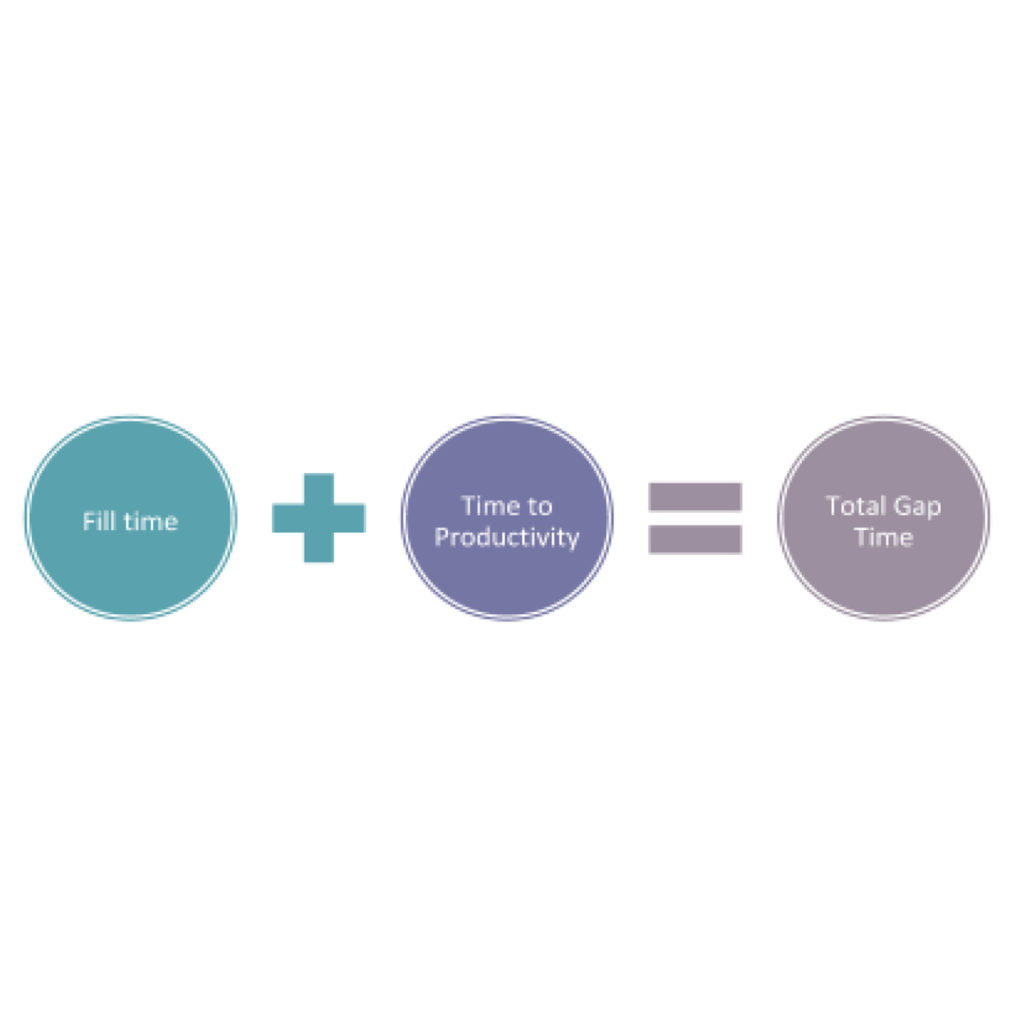
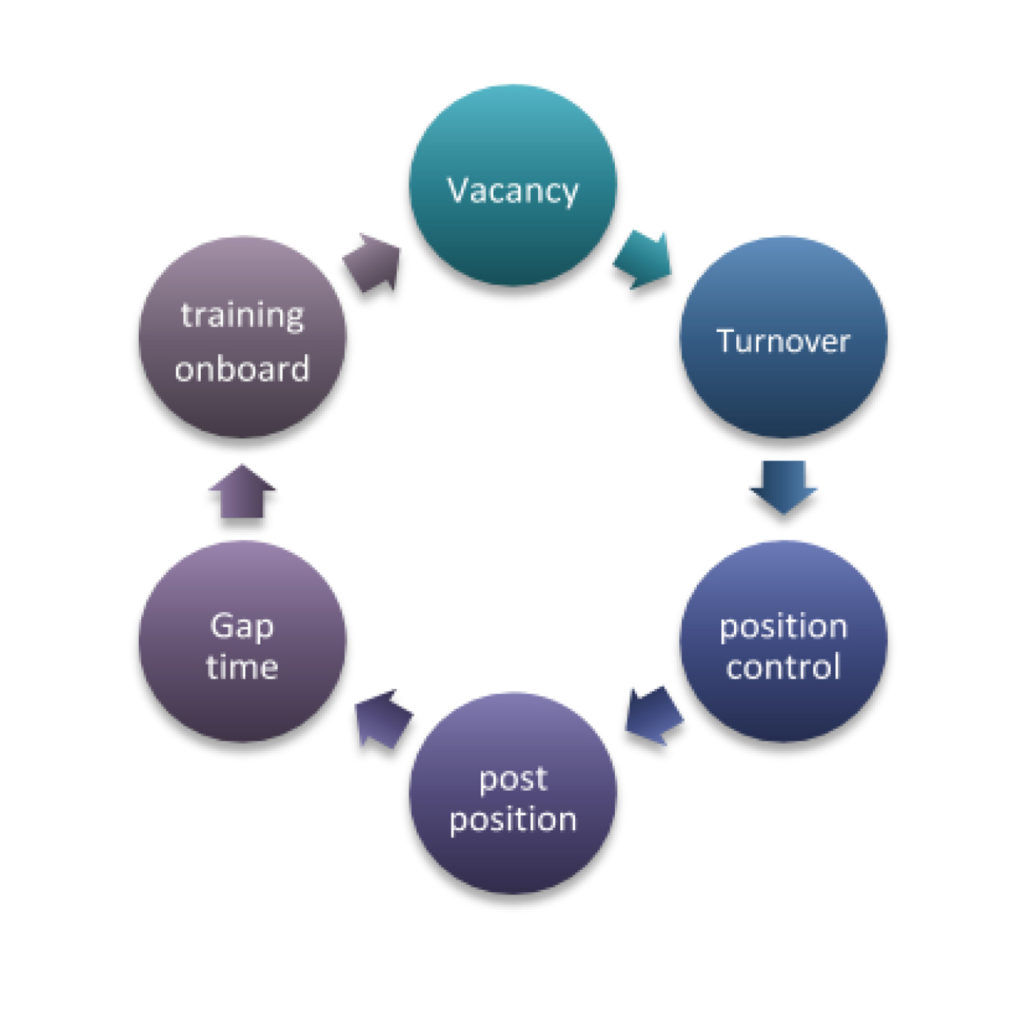
Every organization needs to assess and plan for current and future workforce needs.  In healthcare, every role is important but our biggest demands are for those who provide care to patients.  The American Organization of Nurse Executives (AONE) recommends four steps in the Workforce Planning process, data, strategy, planning and evaluation (AONE, 2013).  It is no surprise that data is at the top of this list and affects each of the four categories. The current data on workforce metrics, is sometimes lacking and often reported retrospectively.  Although retrospective metrics are important to use and understand, real time data can assist in a flexible and nimble approach to getting the right nurses in the right place at the right time.  Turnover and vacancies are extremely costly to an organization both financially and operationally.  Furthermore, how you manage the gap times associated with vacancy and turnover can also be costly if not managed efficiently and diligently.  The cost to the organization has financial and work environment implications.  The high cost of filling gap times, the time when there are vacancies in you positions control and schedules, is essential to manage efficiently.  Additionally, the cost to employee morale, and job satisfaction can be a further drain on the organization.  Inability to fill gap times can cost you greatly in employee relations.  Striking the balance between filling gap times and working efficiently is one of the keys to workforce planning.

Developing and implementing tools that aide in the decision-making process for on demand staffing are essential to the overall success of an organization. (Bryce & Christensen, 2011).  As population health strategies and the drive for value based care increase in demand, innovative approaches to on demand staffing need to be flexible and reactive to all influences including the outside market.
Implications for Practice

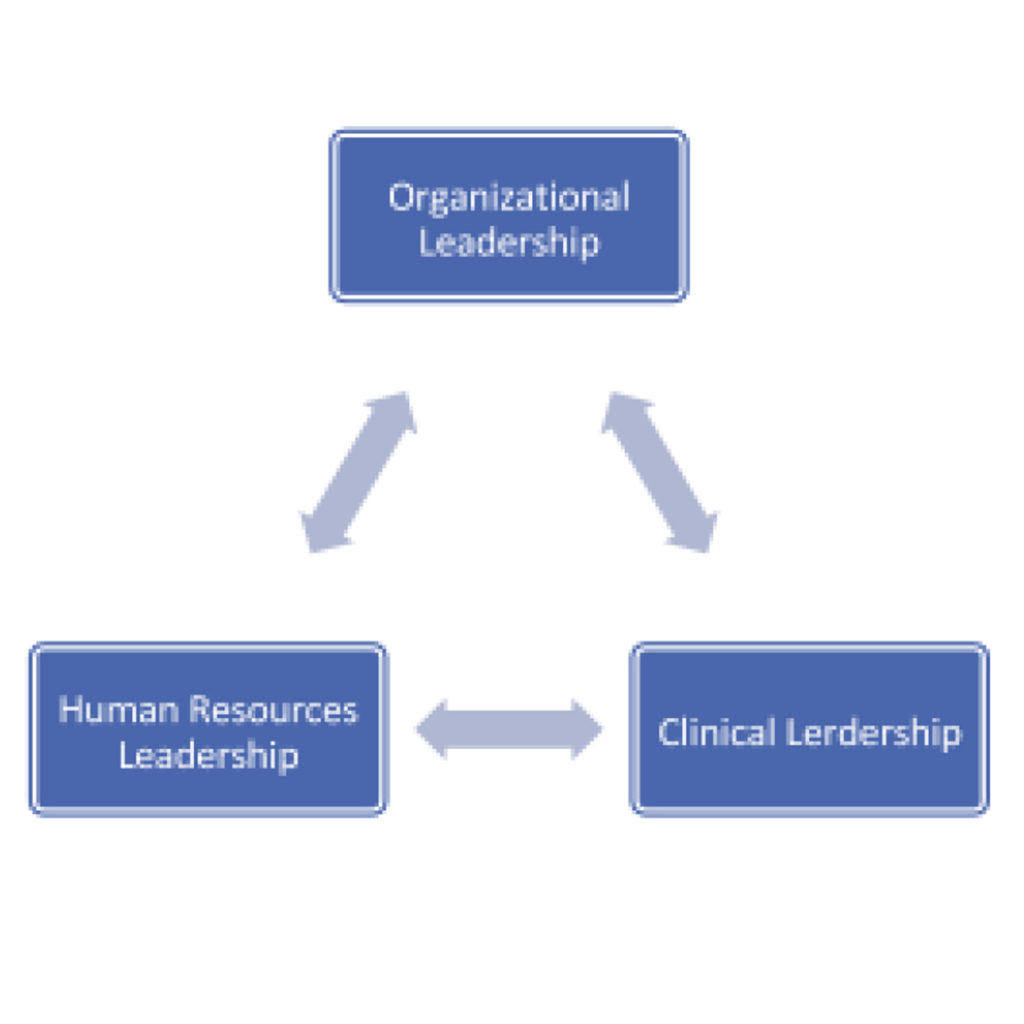
Integrated workforce planning models are an integral element to healthcare delivery.  Healthcare leaders have more than ever before the critical data they need to drive better staffing decisions and when paired with support tools, we will have insight and analysis that has been long needed. Having the right amount of resources in right places at the right time is a challenge but is also linked to good quality outcomes and safe care.  Engagement at the leadership level is an important element in comprehensive workforce planning (AONE, 2013).  A tool to assist in evaluating all the empirical inputs available from market and competitive metrics so unit and facility is desperately needed.  Industry leaders who use the data that exists to guide the development and practice of workforce planning and sustainability tools will undoubtedly be a head of the curve.  The use of such data and tools can potentially help to significantly reduce fill times, drive variable resource decisions and other key indicators that affect operations in critical clinical areas, thereby affecting good quality outcomes and safe care delivery.