The Need for Workforce Planning and Data
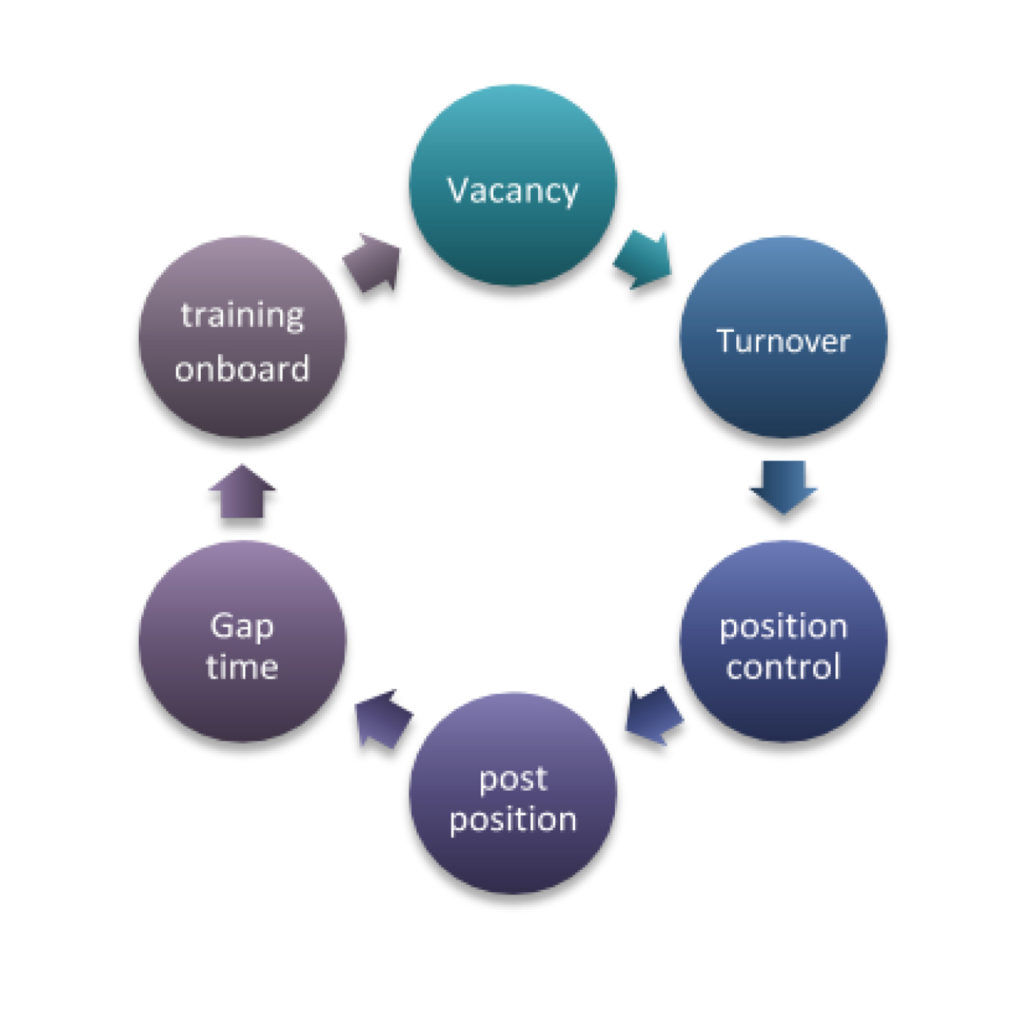
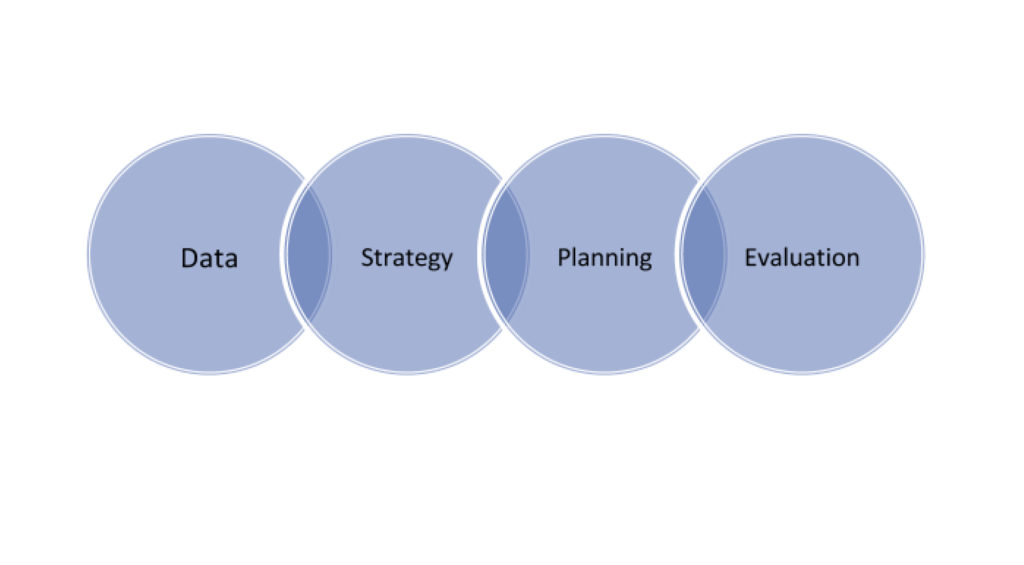
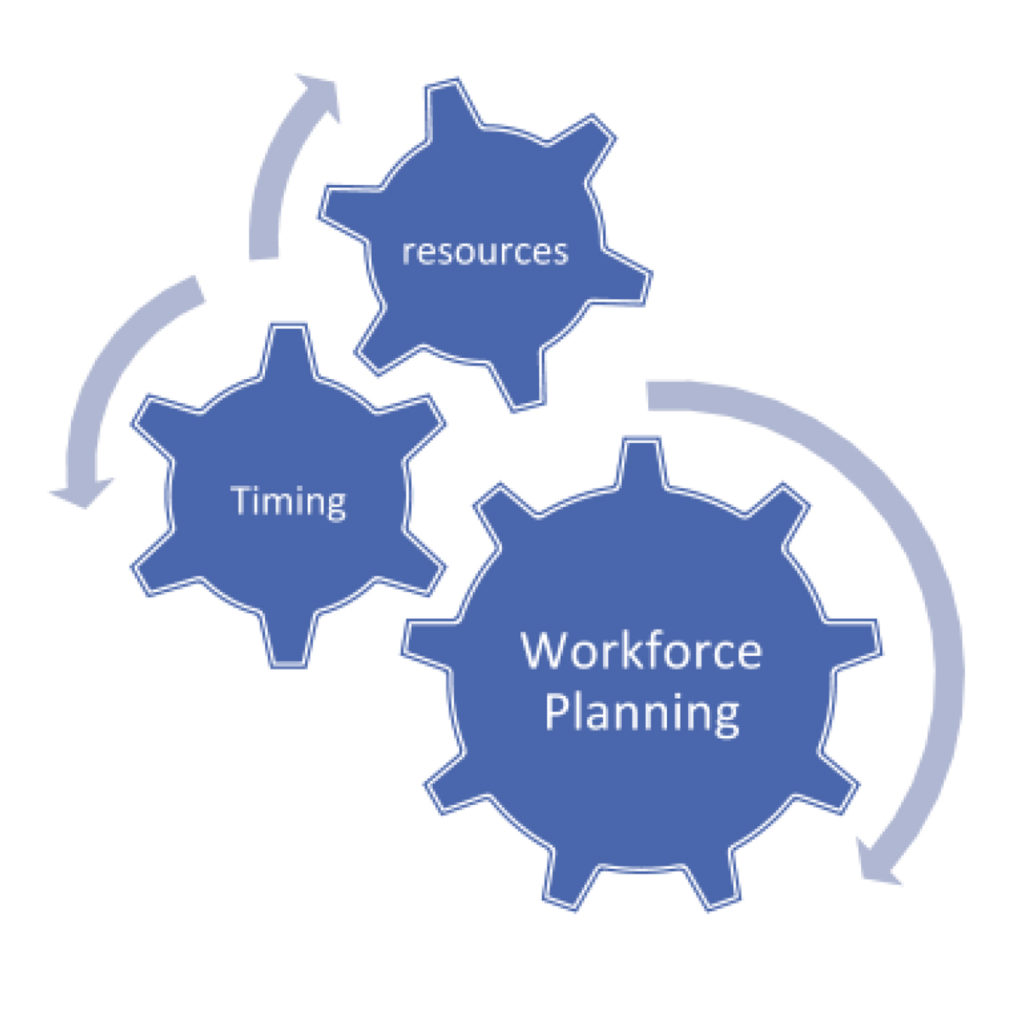
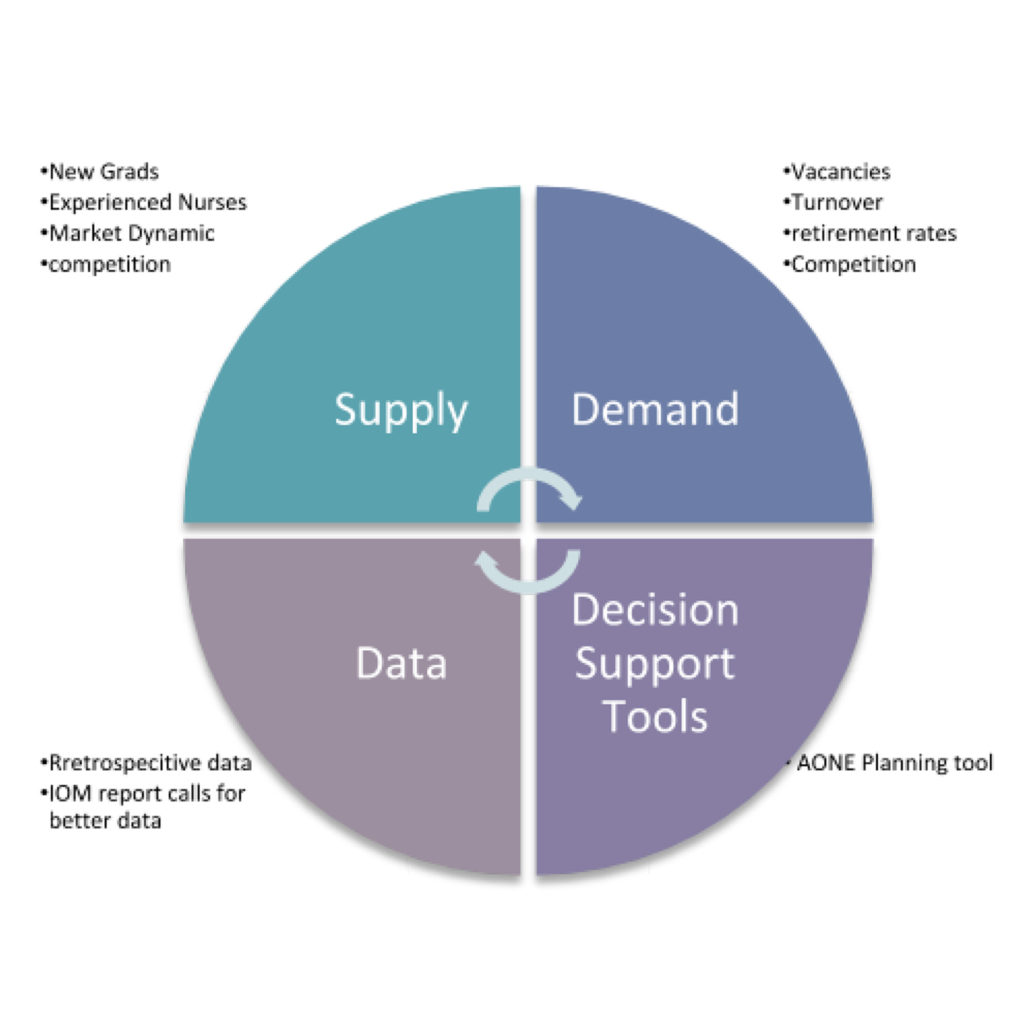
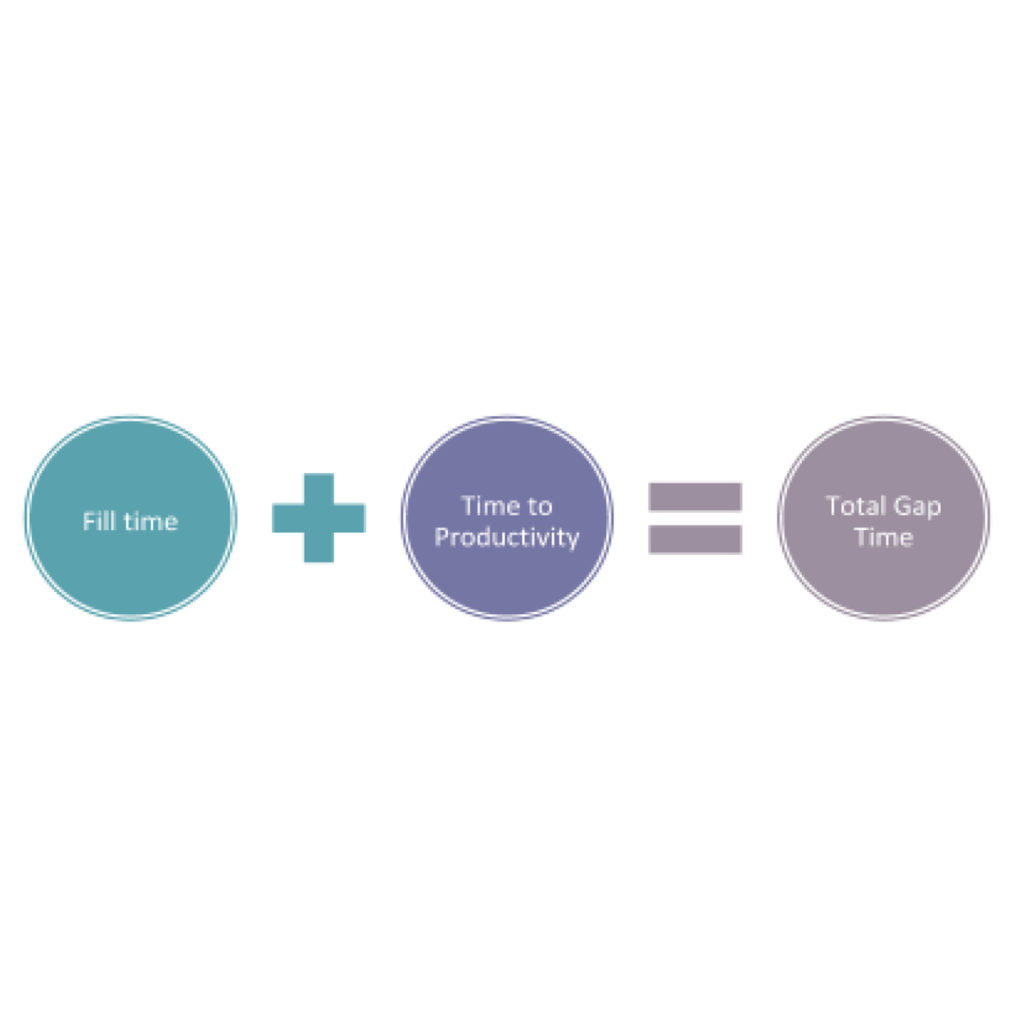
Every organization needs to assess and plan for current and future workforce needs. In healthcare, every role is important but our biggest demands are for those who provide care to patients. The American Organization of Nurse Executives (AONE) recommends four steps in the Workforce Planning process, data, strategy, planning and evaluation (AONE, 2013). It is no surprise that data is at the top of this list and affects each of the four categories. The current data on workforce metrics, is sometimes lacking and often reported retrospectively. Although retrospective metrics are important to use and understand, real time data can assist in a flexible and nimble approach to getting the right nurses in the right place at the right time. Turnover and vacancies are extremely costly to an organization both financially and operationally. Furthermore, how you manage the gap times associated with vacancy and turnover can also be costly if not managed efficiently and diligently. The cost to the organization has financial and work environment implications. The high cost of filling gap times, the time when there are vacancies in you positions control and schedules, is essential to manage efficiently. Additionally, the cost to employee morale, and job satisfaction can be a further drain on the organization. Inability to fill gap times can cost you greatly in employee relations. Striking the balance between filling gap times and working efficiently is one of the keys to workforce planning.
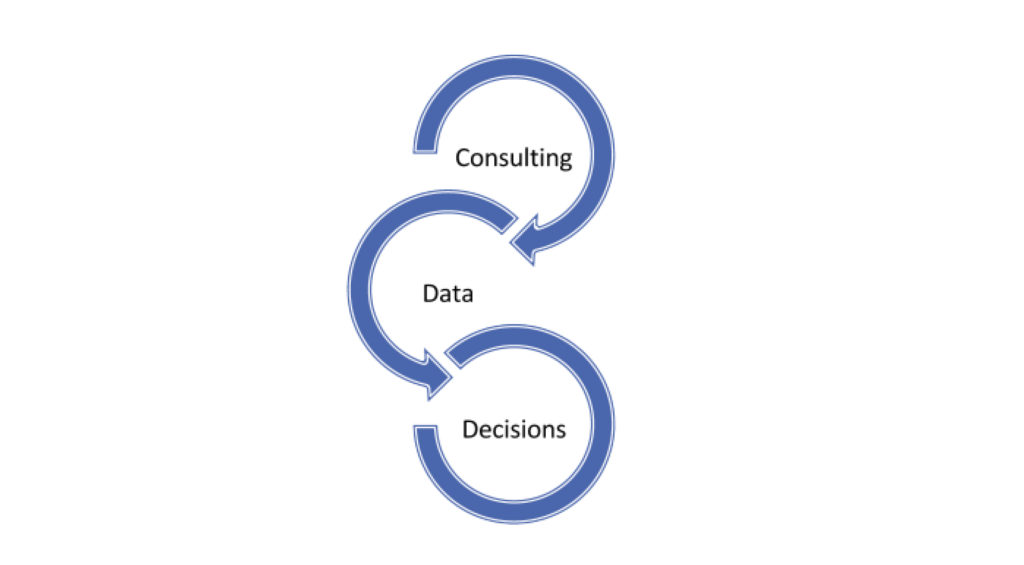
Developing and implementing tools that aide in the decision-making process for on demand staffing are essential to the overall success of an organization. (Bryce & Christensen, 2011). As population health strategies and the drive for value based care increase in demand, innovative approaches to on demand staffing need to be flexible and reactive to all influences including the outside market.